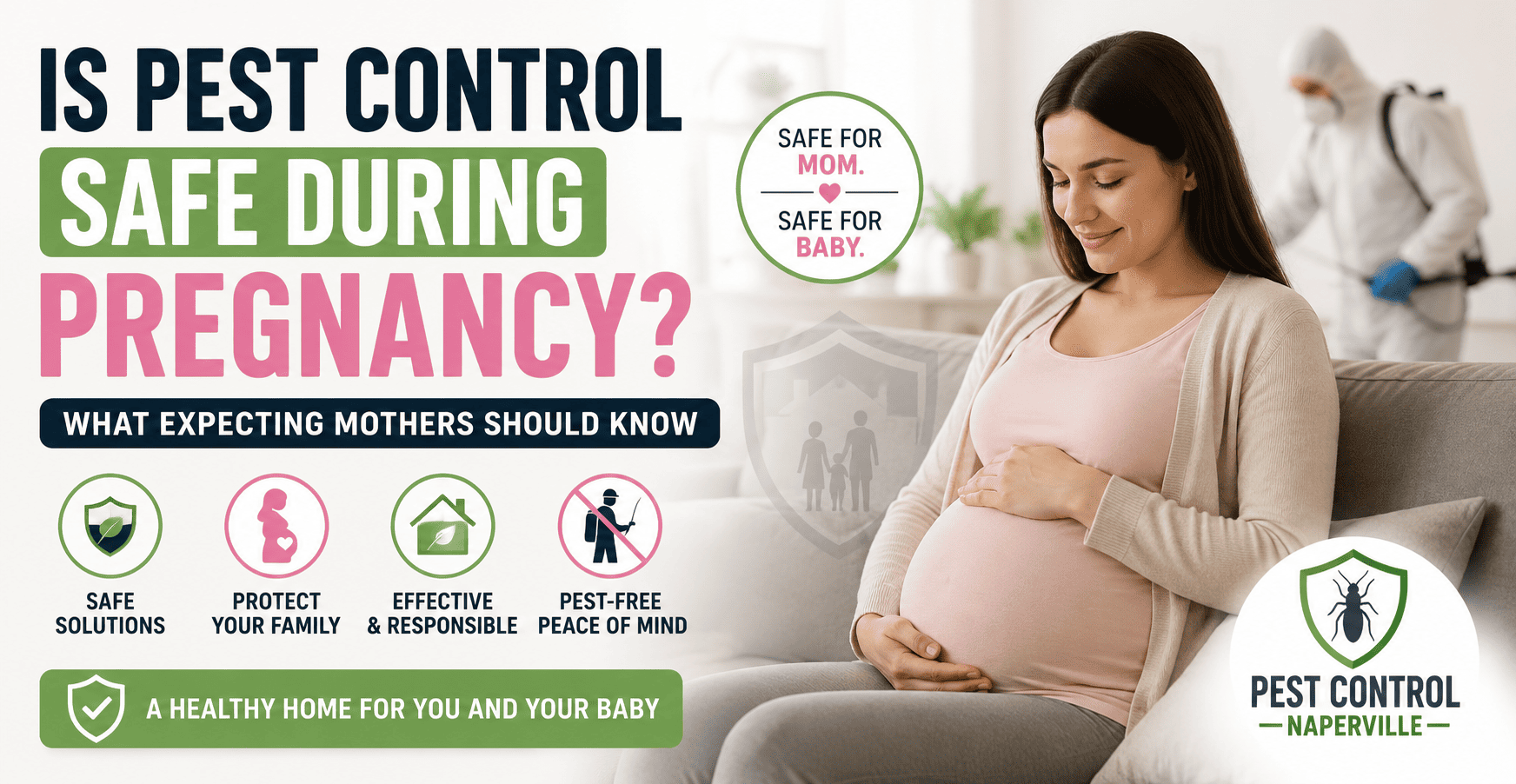
Professional pest control is generally considered safe during pregnancy when treatments are targeted, applied by a licensed technician, and the expecting mother avoids the treated area during application and the recommended re-entry period. The safest approach uses low-toxicity, precision methods rather than broad indoor spraying, and any plan should be cleared with your doctor.
Weighing two real risks
Pregnancy raises a fair question: is it safer to treat a pest problem or leave it alone? The honest answer is that both sides carry risk, and the goal is to minimize exposure while still protecting your health.
Pests aren’t just a nuisance during pregnancy. Cockroaches are a leading indoor asthma and allergy trigger. Rodents can carry disease and contaminate food. Mosquitoes transmit illnesses like West Nile virus. So doing nothing isn’t automatically the “safe” choice. The smarter path is choosing methods that control pests with the least possible chemical exposure.
This is where a professional using Integrated Pest Management (IPM) makes a real difference; the approach favors inspection, sanitation, exclusion, and precisely placed products over blanket spraying.
What the guidance actually says
Pesticides sold in the U.S. are registered and regulated by the Environmental Protection Agency (EPA), which sets label directions for safe use. Public health agencies, including the Illinois Department of Public Health (IDPH), consistently emphasize the same core idea for sensitive groups: reduce exposure. Practically, that means limiting contact with treated surfaces, ventilating well, and staying out during application.
This article is general educational information, not medical advice. Every pregnancy is different, so confirm any pest control plan with your OB-GYN or midwife first.
Safer pest control methods during pregnancy
Not all treatments carry the same exposure. From lowest to higher exposure:
| Method | Exposure level | Pregnancy suitability |
|---|---|---|
| Exclusion & sealing entry points | None | Ideal mechanical, no chemicals |
| Sanitation & moisture control | None | Ideal removes what attracts pests |
| Baits & gels in cracks/crevices | Very low | Preferred chemical option: contained and targeted |
| Targeted crack-and-crevice treatment | Low | Suitable with re-entry precautions |
| Broadcast indoor spraying | Higher | Avoid during pregnancy |
| DIY foggers / “bug bombs” | High, uncontrolled | Avoid entirely |
The pattern is clear: the more contained and targeted the method, the better for an expecting mother. Foggers are the worst choice because they disperse product across every surface with no precision, a concern for anyone, especially during pregnancy.
Precautions to take before, during, and after treatment
Before:
- Tell your pest control provider you’re pregnant so they can adjust products and methods.
- Ask for a low-toxicity, targeted plan (baits, gels, exclusion first).
- Remove or seal food, dishes, and utensils; cover fish tanks.
During:
- Leave the home while treatment is applied.
- Take children and pets with you; our note on pet safety during pest control covers the same principles.
After:
- Follow the technician’s re-entry time. Unsure how long to wait? See how long to stay out of the house after pest control and whether you can sleep in your house afterward.
- Ventilate: open windows and run fans once you’re cleared to return.
- Wash your hands after touching treated areas, and wipe down food-prep surfaces.
Pregnancy-safe steps you can do yourself
Non-chemical prevention is completely safe and often solves the problem before treatment is even needed:
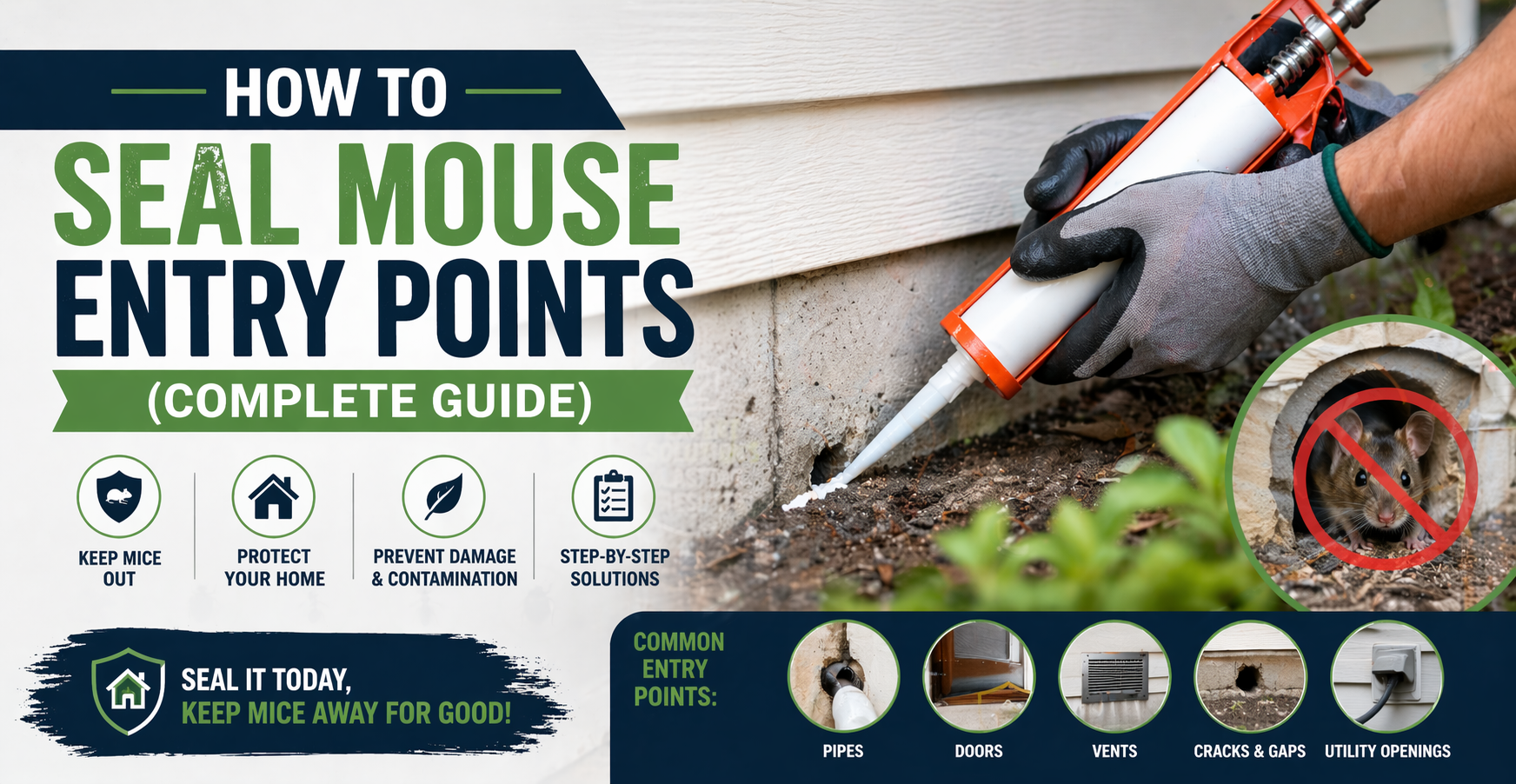
- Seal gaps around pipes, doors, and windows to block entry.
- Fix leaks and reduce indoor humidity.
- Store food in sealed containers and take out trash promptly.
- Keep kitchen surfaces and floors free of crumbs.
- Declutter storage areas where pests hide.
These habits reduce the need for repeat treatments during and after pregnancy. They also make any professional pest control treatment last longer.
When the pest problem is the bigger risk
Some infestations warrant prompt action even during pregnancy, because the pest itself threatens health:
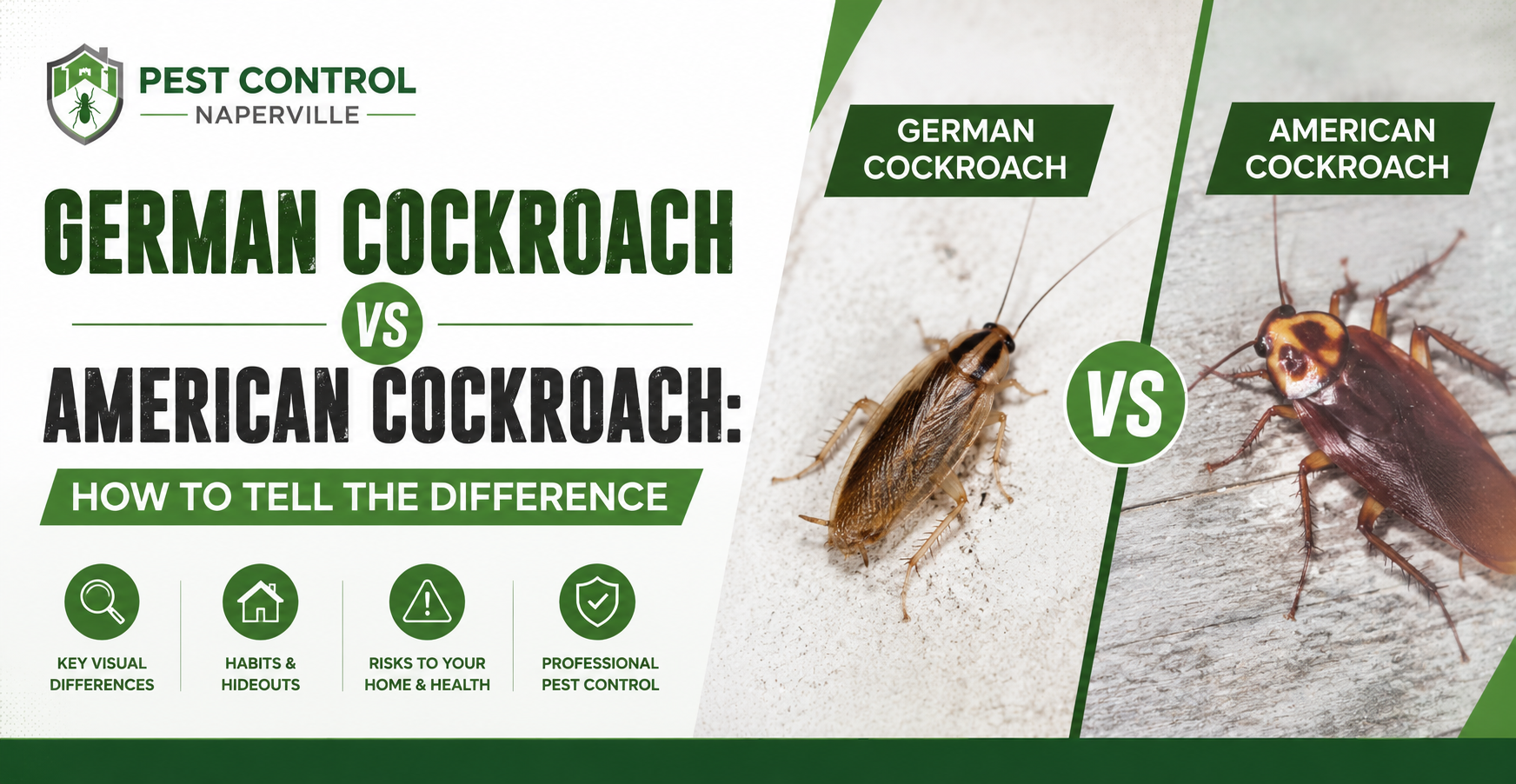
- Cockroaches: droppings and shed skins worsen asthma and allergies. Prompt, targeted cockroach extermination reduces allergen load indoors.
- Rodents: mice and rats contaminate food and can carry disease. Professional rodent control uses exclusion and contained baiting rather than broadcast chemicals.
- Stinging insects: a wasp or hornet nest near an entrance is a physical hazard best removed by a professional.
In these cases, a technician can use low-exposure, targeted methods to address the health threat without unnecessary chemical contact.
Common myths about pest control and pregnancy
- “All pest control is toxic to my baby.” Not accurate. Method and exposure matter far more than the label word “pesticide.” Targeted, professionally applied products with proper re-entry precautions are a controlled, low-exposure situation.
- “Natural means safe.” Some plant-based products still cause irritation and aren’t automatically safer; “natural” isn’t a free pass.
- “I should just ignore pests until after the baby.” Ignoring cockroaches or rodents can create bigger health risks than a careful, targeted treatment.
Timing your treatment
If the pest issue isn’t urgent, some families prefer to schedule preventive service around a trimester they’re most comfortable with, or before a nursery is set up. Our guide on the best month for pest control can help you plan around seasonal pest pressure rather than treating reactively.
Frequently asked questions
Is professional pest control safe while pregnant?
Generally, yes, when a licensed technician uses targeted, low-toxicity methods and you avoid the treated area during application and the re-entry period. Always confirm with your doctor first.
How long should a pregnant woman stay out of the house after pest control?
Follow the technician’s re-entry guidance, often for a few hours, for targeted treatments. Ventilate before returning, and stay out longer if you feel unsure or sensitive to odors.
Are bug sprays and foggers safe during pregnancy?
Avoid DIY foggers and heavy indoor sprays. They spread product over every surface with no control. Choose professional, targeted baits and crack-and-crevice treatments instead.
Can cockroaches or rodents harm my pregnancy?
They can affect your health indirectly; roaches trigger asthma and allergies, and rodents contaminate food and carry disease. Controlling them with low-exposure methods is often the safer path.
Should I use natural or DIY pest control while pregnant?
Non-chemical prevention, like sealing entry points and sanitation, is very safe. But “natural” sprays aren’t automatically safe, and DIY chemicals are hard to control; professional targeted treatment is usually better.
What should I tell my pest control company if I’m pregnant?
Tell them before the appointment so they can choose low-toxicity, targeted products, minimize indoor spraying, and give you clear re-entry instructions tailored to your situation.
Talk to a local team that will treat you with care
If pests are a problem while you’re expecting, you don’t have to choose between your comfort and your peace of mind. Our licensed Naperville technicians build low-exposure, targeted plans and explain every step, so you always know what’s being used and when it’s safe to return. Contact Pest Control Naperville to request a pregnancy-conscious inspection, and check with your healthcare provider before any treatment.