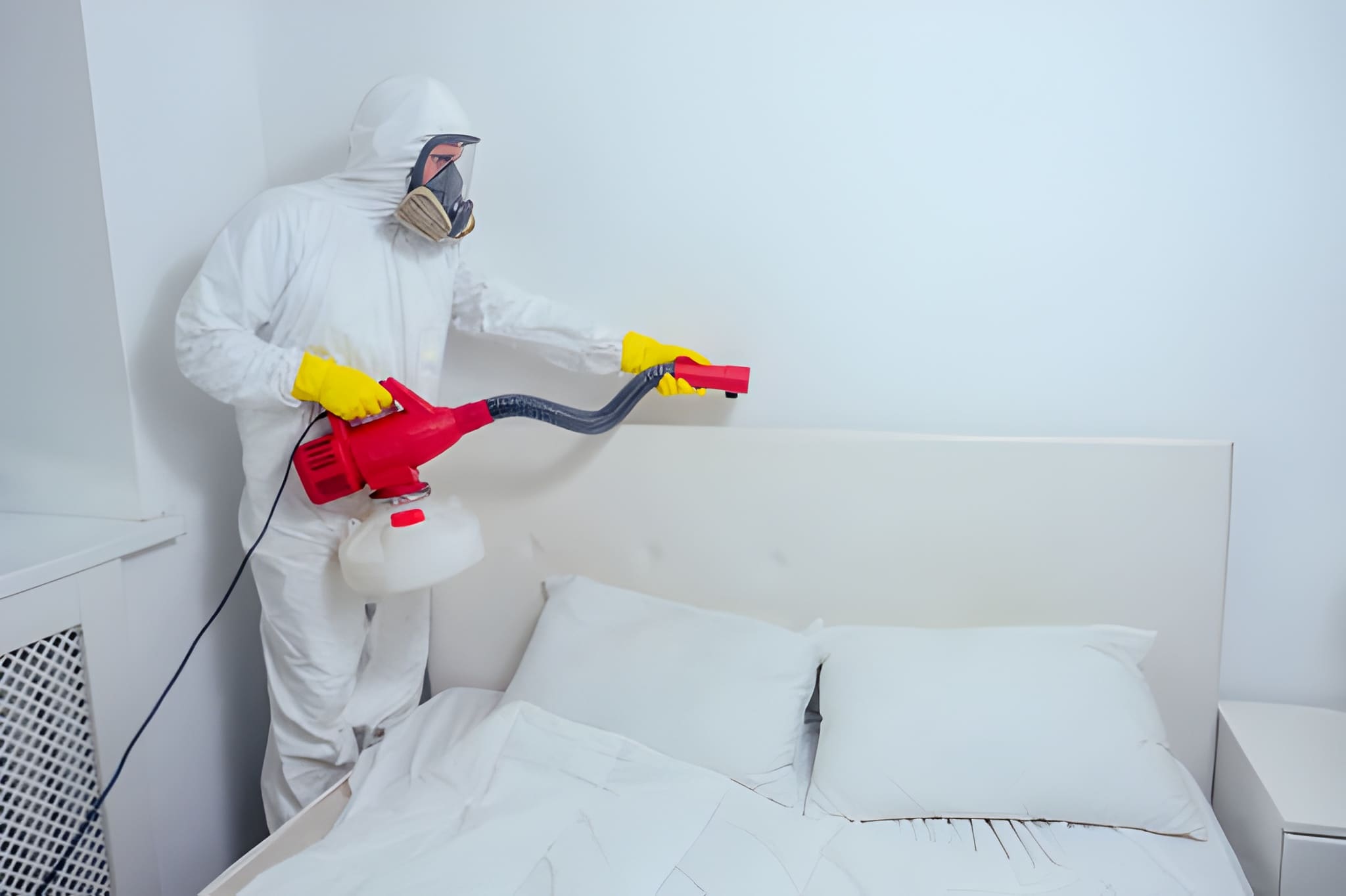
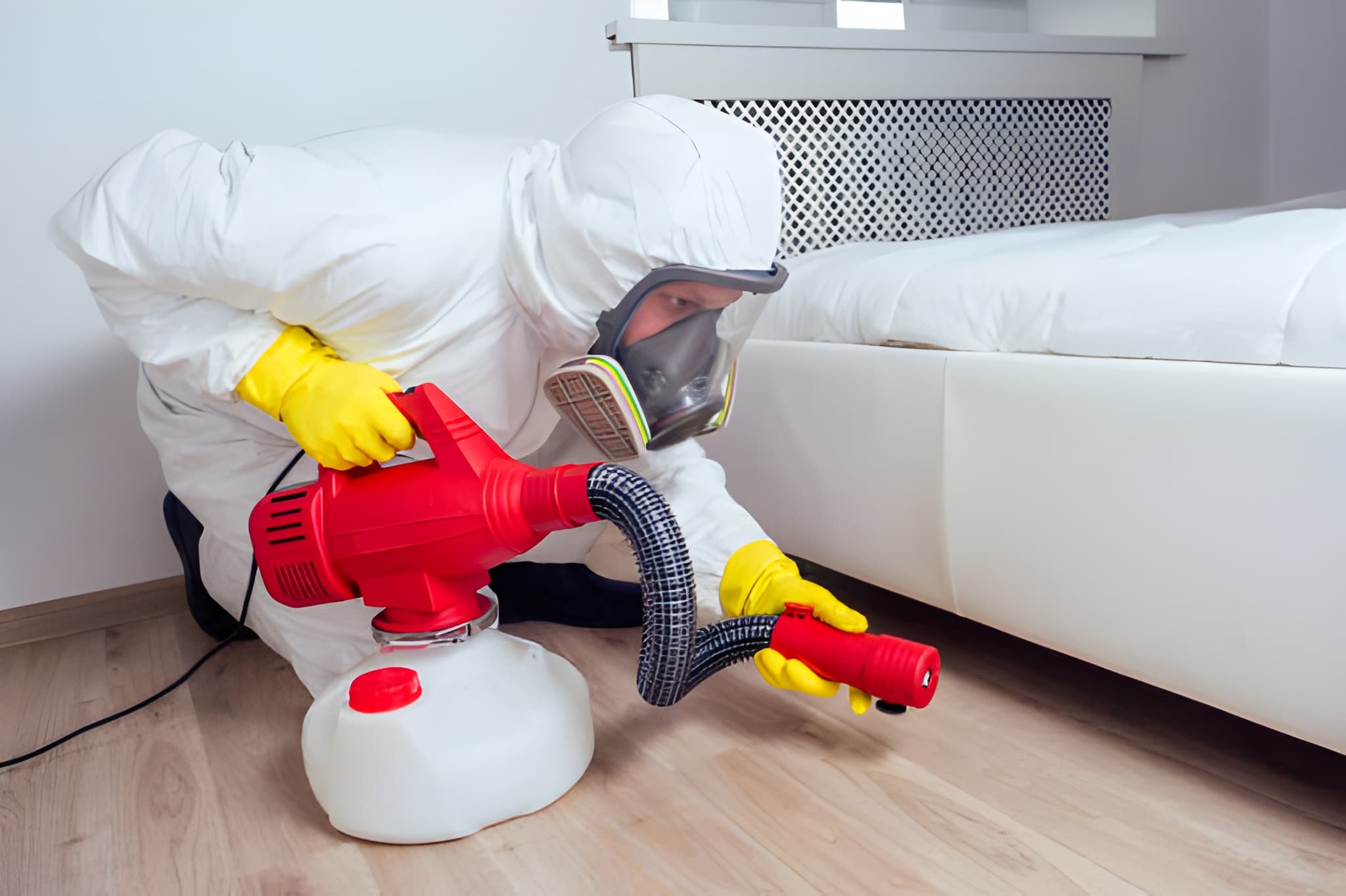
When it comes to protecting your home from unwanted invaders, timing is everything. The question “What month is best for pest control?” doesn’t have a one-size-fits-all answer because different pests follow distinct seasonal patterns. However, understanding these patterns can help you take a strategic, proactive approach to pest management that saves you money, prevents infestations, and keeps your home safe throughout the year.
In this comprehensive guide, we’ll explore the seasonal dynamics of pest behavior, identify the optimal times for pest control treatments in each season, and provide advanced strategies for year-round protection.
Understanding Pest Seasonality: Why Timing Matters
Before diving into specific months, it’s essential to understand why pest control timing is critical. Pests don’t simply appear randomly throughout the year—their activity is governed by several interconnected factors:
Weather and Temperature Fluctuations
Temperature is one of the most significant drivers of pest behavior. Most insects and arthropods are cold-blooded creatures whose metabolic rates increase with warmth. When temperatures rise in spring and summer, pest reproduction accelerates dramatically. Conversely, as temperatures drop in fall and winter, many pests seek shelter indoors to survive.
Breeding Cycles and Population Growth
Different pest species have distinct breeding cycles that align with seasonal changes. Spring and summer represent critical reproductive periods for most insects. A single pair of mosquitoes can produce thousands of offspring in weeks during warm months. Without intervention, these populations explode exponentially, making summer infestations far more severe than those in cooler months.
Food Availability and Foraging Behavior
Pest activity also follows food availability. Spring awakens dormant insects searching for food sources. Summer intensifies the hunt as populations grow. Fall triggers a frantic search for food storage and winter shelter. Winter forces pests indoors where human habitats provide consistent food, warmth, and protection from the elements.
Dormancy and Hibernation Patterns
Many pests enter a semi-dormant or hibernation state during winter, reducing their activity levels but not eliminating them entirely. This period of reduced activity presents a unique opportunity for preventative treatments that can eliminate existing populations before spring renewal.
What Month Is Best for Pest Control: Seasonal Breakdown
What Month Is Best for Pest Control in Spring (March, April, May)
The Critical Window for Prevention
Spring represents the most important window for pest control of the entire year. As temperatures begin to rise and daylight hours increase, dormant pests emerge from winter hibernation, mating sites, and overwintering grounds. This is when pest populations are transitioning from minimal activity to maximum reproduction.
Why Spring Pest Control Is Essential
The spring season sets the tone for pest problems throughout the rest of the year. If you fail to control pest populations in spring, you’ll face exponentially larger infestations by summer and fall. Spring is when termites swarm and establish new colonies, ants activate and begin foraging, and mosquitoes start breeding in standing water.
Professional pest control treatments in early spring—particularly March and April in most regions—can eliminate 70-80% of potential pest problems before they explode. This preventative approach is dramatically more cost-effective than dealing with full-blown infestations later.
Key Spring Pests and Treatment Priorities
Termites are particularly dangerous in spring. Subterranean termites swarm during spring months, when reproductive termites (alates) take flight to establish new colonies. A professional termite inspection and preventative barrier treatment in early spring can protect your home for an entire year. Termites cause an estimated $5 billion in structural damage annually in the United States, making spring termite prevention absolutely critical.
Ants become increasingly active in spring as temperatures warm. Carpenter ants, fire ants, and pavement ants emerge from winter dormancy to forage and establish new nesting sites. Spring ant control prevents the establishment of multiple colonies around your property.
Mosquitoes begin breeding in early spring. Many mosquito species lay eggs in standing water—puddles, clogged gutters, bird baths, and any other water accumulation. Even a bottle cap of stagnant water can host dozens of mosquito larvae. Spring mosquito treatment, including standing water elimination and larvicide application, dramatically reduces summer mosquito populations.
Rodents that survived winter begin seeking outdoor shelter and food as spring arrives, reducing indoor populations. However, those that remain indoors are beginning reproduction. Spring treatment can eliminate winter-sheltered rodents before they breed.
Spring Pest Control Strategy
The optimal spring pest control approach includes:
- Professional inspection to identify pest entry points and risk areas
- Sealing cracks, gaps, and foundation crevices
- Removal of standing water and moisture sources
- Application of perimeter treatments to prevent pest entry
- Termite barrier installation or renewal
- Scheduling follow-up treatments for May and June
What Month Is Best for Pest Control in Summer (June, July, August)
Managing Peak Pest Season
Summer represents peak pest season. Warm temperatures, high humidity, abundant food sources, and established breeding populations create ideal conditions for pest proliferation. While spring sets the stage for pest problems, summer is when those problems reach their maximum intensity.
Why Summer Requires Active Management
Summer pest control is less about prevention and more about active management and control. By this point, pest populations are at their largest. The goal shifts from prevention to mitigation—reducing populations, protecting your family from bites and stings, and preventing property damage.
Key Summer Pests and Treatment Priorities
Mosquitoes are perhaps the most universally problematic summer pest. Summer heat and humidity create perfect breeding conditions. Mosquito populations can increase 500% from June to July in many regions. Beyond being an annoyance, mosquitoes transmit serious diseases including West Nile Virus, Dengue Fever, and Zika Virus. Professional mosquito control in summer includes yard treatment, perimeter spraying, and elimination of breeding sites.
Flies thrive in summer, particularly around trash, compost, and outdoor food sources. House flies, fruit flies, and other species multiply rapidly during warm months. Summer fly control focuses on sanitation, exclusion, and targeted treatments around entry points.
Cockroaches are active year-round but most problematic in summer. Heat and humidity accelerate their reproduction. German cockroaches can produce 300-400 offspring in just 90 days under ideal summer conditions. Summer cockroach control often requires multiple treatments to break reproduction cycles.
Wasps and Bees establish large colonies during summer. While bees are important pollinators deserving protection, wasps are aggressive and dangerous. Paper wasps, yellow jackets, and bald-faced hornets can sting repeatedly and cause allergic reactions. Professional summer treatment removes established nests safely.
Bed Bugs often peak in summer due to increased travel. Many people travel during summer vacation, inadvertently bringing bed bugs home in luggage. Summer bed bug detection and treatment prevents infestations from becoming established.
Ants reach maximum foraging activity in summer, with some species establishing massive colonies with thousands of workers.
Summer Pest Control Strategy
Effective summer pest control includes:
- Weekly or bi-weekly professional treatments for high-risk pests like mosquitoes
- Regular perimeter and foundation treatments
- Elimination of standing water and moisture sources
- Maintenance of seals around windows and doors
- Regular sanitation and removal of pest attractants
- Inspection and removal of wasp nests
- Professional bed bug detection in bedding and furniture
What Month Is Best for Pest Control in Fall (September, October, November)
The Second Critical Window for Prevention
If spring is the first critical pest control window, fall is the second. As temperatures drop in fall, a phenomenon occurs that many homeowners don’t anticipate: pests actively seek indoor shelter before winter arrives. Fall is when rodents, stink bugs, cockroaches, spiders, and other pests attempt to enter homes to overwinter.
Why Fall Pest Control Is Crucial
Fall represents the deadline for exclusion and prevention. Any pest that successfully enters your home in fall will have the entire winter to establish, reproduce, and expand its population in the protected environment of your house. A few rodents entering in October can become dozens by spring. This makes fall prevention absolutely essential.
Key Fall Pests and Treatment Priorities
Rodents (mice and rats) become increasingly desperate to find indoor shelter in fall. Mouse populations can explode indoors during winter. A single female mouse can produce 5-10 litters of 5-6 pups each during winter if she finds shelter in a warm home. Fall rodent control includes sealing entry points, removal of exterior food sources, and strategic baiting and trapping.
Stink Bugs migrate into homes in massive numbers during fall. These insects release pheromones that attract other stink bugs to the same overwintering sites. A few stink bugs can signal hundreds more to congregate on your home’s exterior and find cracks to enter. Fall stink bug control focuses on perimeter sealing and exterior treatments.
Cockroaches seek warm indoor environments as outdoor temperatures drop. Fall cockroach treatment prevents infestations from becoming established for the entire winter.
Spiders increase their web-building activity in fall, hunting insects moving indoors. While spiders are generally beneficial, many homeowners want to minimize them in living spaces. Fall spider management focuses on removal of existing spiders and reduction of their prey.
Ladybugs and Asian Beetles congregate in massive numbers on home exteriors in fall, seeking warm spots for winter. These insects cluster in wall voids, attics, and eaves. While generally harmless, their presence in large numbers can be unsettling. Fall treatment focuses on exclusion and exterior perimeter sealing.
Fall Pest Control Strategy
The optimal fall pest control approach includes:
- Comprehensive home inspection to identify all potential entry points
- Sealing of cracks, gaps, and holes with caulk or weather stripping
- Trimming of vegetation away from home exterior
- Removal of leaf piles and debris that harbor pests
- Installation of door sweeps and perimeter seals
- Professional application of exterior barrier treatments
- Interior treatment focus on common overwintering sites (attics, basements, wall voids)
What Month Is Best for Pest Control in Winter (December, January, February)
Managing Hidden Indoor Infestations
Winter might seem like a time when pests disappear, but this is a dangerous misconception. While outdoor pest activity decreases dramatically, your home becomes a pest haven. The warm, protected, food-rich environment of your house is ideal for rodents, cockroaches, bed bugs, and other winter pests.
Why Winter Pest Control Matters
Winter pest control often deals with infestations that established themselves in fall or that survived from previous seasons. These hidden infestations can grow unchecked during winter months when homeowners assume pest activity is minimal. By spring, what started as a few pests can become a full-scale infestation.
Key Winter Pests and Treatment Priorities
Rodents are the primary winter pest concern. Mice and rats nesting in attics, basements, and walls cause structural damage, contaminate food sources, and create unsanitary conditions. They also pose fire hazards by gnawing on electrical wiring. Winter rodent control focuses on trapping, exclusion, and baiting.
Cockroaches remain active indoors throughout winter. The increased humidity in homes during winter (due to heating systems and moisture) creates ideal cockroach conditions. Winter cockroach treatment often requires multiple applications to disrupt their breeding cycles.
Bed Bugs actually increase in winter due to increased travel during holidays. Bed bugs can spread rapidly in homes, hotels, and dormitories. Winter bed bug detection and treatment are critical for preventing widespread infestation.
Overwintering insects that successfully entered homes in fall (cluster flies, ladybugs, Asian beetles) can emerge from wall voids on warm winter days, appearing inside living spaces.
Spiders and Occasional Invaders continue activity indoors in winter.
Winter Pest Control Strategy
Effective winter pest control includes:
- Thorough inspection of attics, basements, and crawl spaces
- Identification and sealing of interior entry points
- Regular monitoring and trapping of rodents
- Treatment of cockroach and bed bug infestations
- Exclusion work to prevent spring re-infestation
- Maintenance of sanitation to eliminate food sources
- Regular removal of debris and clutter where pests hide
Strategic Month-by-Month Pest Control Calendar
To optimize your pest management approach, consider this strategic month-by-month calendar:
January-February (Deep Winter)
- Focus: Rodent control, bed bug treatment, cockroach management
- Action: Professional inspections, targeted indoor treatments
- Goal: Eliminate infestations that overwintered
March (Early Spring)
- Focus: Termite prevention, ant control, rodent exclusion
- Action: Professional termite inspection, perimeter sealing, barrier treatments
- Goal: Prevent spring pest explosion
April (Mid-Spring)
- Focus: Mosquito prevention, ant elimination, continued termite control
- Action: Standing water removal, perimeter treatments, follow-up inspections
- Goal: Establish summer prevention baseline
May (Late Spring)
- Focus: Mosquito breeding season peak, continued spring treatments
- Action: Intensive mosquito control, yard maintenance, continued perimeter treatments
- Goal: Prevent summer infestation establishment
June (Early Summer)
- Focus: Mosquito management, fly control, wasp monitoring
- Action: Weekly or bi-weekly mosquito treatments, yard inspection for wasp nests
- Goal: Manage peak pest season beginning
July (Mid-Summer)
- Focus: Intense mosquito, fly, and wasp management
- Action: Intensive pest treatments, regular sanitation, continued monitoring
- Goal: Maintain control during peak season
August (Late Summer)
- Focus: Continued summer management, early fall preparation
- Action: Continued treatments, beginning of fall exclusion planning
- Goal: Transition into fall prevention mindset
September (Early Fall)
- Focus: Fall pest prevention begins, rodent exclusion
- Action: Sealing work, exterior treatment application, stink bug management begins
- Goal: Begin preparing home for fall/winter pests
October (Mid-Fall)
- Focus: Intensive sealing and exclusion, stink bug peak
- Action: Comprehensive sealing of all entry points, exterior perimeter treatments
- Goal: Prevent pest entry before winter
November (Late Fall)
- Focus: Final prevention measures, winter preparation
- Action: Final sealing verification, debris removal, interior inspection
- Goal: Ensure home is pest-resistant before winter
December (Early Winter)
- Focus: Winter pest monitoring and management
- Action: Interior inspection, rodent monitoring, holiday pest prevention
- Goal: Catch any pests that entered in fall
Advanced Pest Control Considerations
Geographic and Climate Factors
The optimal months for pest control vary significantly based on geographic location and climate. A homeowner in Florida faces year-round pest pressure, while someone in Minnesota might have relatively quiet winters. Working with local pest control professionals who understand your region’s specific pest patterns is crucial.
Southern Climate Zones (Florida, Louisiana, Texas)
In warm southern regions, pest season is virtually year-round. However, there are still strategic timing advantages:
- Spring (February-March): Begin termite prevention before warm season
- Late Summer (August-September): Peak heat and humidity increase breeding—intensive treatment
- Fall (September-October): Prepare for slightly reduced winter activity
- Winter: Continue management; many pests remain active
Moderate Climate Zones (Mid-Atlantic, Midwest)
These regions experience clear seasonal pest patterns:
- Spring (March-April): Critical prevention window
- Summer (June-August): Intensive management season
- Fall (September-October): Crucial exclusion window
- Winter (December-February): Hidden infestation management
Northern Climate Zones (Northern Midwest, Northeast)
Colder climates have shorter pest seasons but more severe winter indoor problems:
- Spring (April-May): Rapid pest awakening; critical treatment window
- Summer (June-August): Peak season; intensive management
- Fall (September-October): Final prevention push; absolutely critical
- Winter (December-February): Focus on indoor infestations; outdoor treatment ineffective
Property-Specific Factors
Beyond seasonal patterns, individual properties have unique factors affecting pest timing:
Water Features and Landscaping
Properties with standing water, dense vegetation, and mulched areas have higher mosquito, pest, and rodent populations. These properties need earlier spring treatments and more intensive summer management.
Construction Age and Type
Older homes with more entry points and gaps need more aggressive fall exclusion. Newer homes with tight construction may need less frequent treatments.
Surrounding Environment
Homes near wooded areas, wetlands, or agricultural land face different pest pressures than urban properties. Rural properties typically need more intensive rodent and termite prevention.
Year-Round Pest Control: The Superior Approach
While identifying specific optimal months is helpful, the most effective approach to pest management is year-round professional pest control. Here’s why:
Comprehensive Protection
Year-round service creates a protective barrier that prevents seasonal pest explosions. Quarterly treatments (spring, early summer, fall, winter) provide continuous coverage aligned with seasonal pest patterns.
Early Detection and Prevention
Regular professional inspections catch emerging pest problems before they become infestations. What might become a $5,000 infestation if caught in summer can be prevented with a $300 spring treatment.
Seasonal Customization
Year-round providers customize treatments for each season’s specific pest threats rather than using generic approaches.
Cost Savings
While year-round service requires ongoing investment, the overall pest control cost typically ends up being 30–50% less than dealing with emergency infestations and reactive treatments.
Peace of Mind
Year-round professional monitoring provides confidence that your home is protected regardless of season.
DIY vs. Professional Pest Control: Timing Implications
DIY Limitations
Do-it-yourself pest control has significant timing disadvantages:
- Over-the-counter products often fail to reach hidden pest populations
- DIY approaches typically only address visible pests, not prevention
- Timing mistakes can reduce effectiveness dramatically
- Without proper identification, treatment timing may be completely wrong
Professional Advantages
Professional pest control services provide critical advantages:
- Expert knowledge of seasonal pest behavior specific to your region
- Access to professional-grade treatments more effective than retail products
- Ability to identify pests and treat at optimal times
- Customized timing and treatment schedules
- Guaranteed results with warranty protection
- Eco-friendly options that protect your family and pets
Implementing Your Optimal Pest Control Schedule
To implement the best possible pest control timing for your home:
Step 1: Identify Your Region’s Specific Pest Patterns
Research the primary pests in your area and their seasonal patterns. Consult with local pest control professionals who understand regional dynamics.
Step 2: Schedule Professional Inspection
Begin with a comprehensive professional inspection to identify current pest problems, potential entry points, and property-specific risk factors.
Step 3: Establish a Year-Round Service Plan
Work with professionals to establish a customized schedule. Most effective plans include:
- Spring treatment (March or April)
- Summer maintenance (June and/or August)
- Fall prevention (September and/or October)
- Winter check-in (December or January)
Step 4: Implement Exclusion Measures
Simultaneously with treatments, implement physical exclusion:
- Seal entry points
- Install door sweeps and weather stripping
- Trim vegetation
- Remove standing water
- Eliminate exterior food sources
Step 5: Maintain Sanitation and Vigilance
Between professional treatments:
- Maintain clean interior and exterior spaces
- Remove food sources and waste
- Monitor for pest activity
- Report any signs of pests immediately
Step 6: Monitor and Adjust
Track which treatments work best for your property. Adjust the schedule based on results. If you have severe summer mosquito problems, increase summer frequency. If fall rodent problems persist, increase fall prevention efforts.
Conclusion: Strategic Timing for Long-Term Pest Prevention
The question “What month is best for pest control?” doesn’t have a single answer because different pests follow different seasonal patterns. However, the evidence clearly shows that spring and fall represent the two critical windows for pest prevention, while summer requires intensive management and winter demands vigilance against indoor infestations.
The most effective approach combines strategic seasonal timing with year-round professional management. By understanding pest seasonality, implementing preventative measures at optimal times, and maintaining consistent professional monitoring, you can protect your home from the full spectrum of seasonal pest threats.
Don’t wait for pests to invade your home—stay ahead of infestations with expert, seasonally timed treatments. Whether you’re facing spring termites, summer mosquitoes, fall rodents, or winter indoor pests, the right timing combined with professional expertise ensures your home remains pest-free all year round.
Call us at 630 864 5173 or fill out our quick form for same-day appointments and 24-hour response.