While most spiders in Naperville are harmless and even beneficial, their presence indoors concerns many homeowners. This Guide to Spider Control in Naperville helps you understand local spider species, their behavior, and effective control methods to maintain a spider-free home without unnecessary worry.
Common Spiders in Naperville Homes
House Spiders (Most Common)
Small, yellowish-brown spiders that build tangled cobwebs in corners, basements, and closets. They’re harmless to humans and actually help control other pests. However, their webs create unsightly messes.
Wolf Spiders
Large, hairy brown spiders (1/2-1 inch) that don’t build webs. They actively hunt prey on the ground and often enter homes in fall seeking warmth. While intimidating in appearance, they’re not aggressive and rarely bite.
Jumping Spiders
Small, compact spiders with excellent vision that stalk and pounce on prey. They’re often found on walls and windowsills. Their jumping ability startles people, but they’re harmless and don’t bite.
Cellar Spiders (Daddy Long-Legs)
Long, thin legs with small bodies, commonly found in basements and crawl spaces. They build messy webs but are harmless to humans despite myths about their venom.
Brown Recluse (Rare but Dangerous)
Identified by violin-shaped marking on back. While uncommon in Naperville, brown recluse bites can cause serious tissue damage. They hide in dark, undisturbed areas like attics, closets, and storage boxes.
Black Widow (Rare)
Shiny black with red hourglass marking underneath. Extremely rare in Naperville homes but occasionally found in garages, basements, or woodpiles. Their bite requires medical attention.
Why Spiders Enter Your Home
Food source: Spiders follow prey insects into homes. More insects means more spiders.
Weather: Temperature extremes and heavy rains drive outdoor spiders inside.
Shelter: Spiders seek protected areas for egg-laying and overwintering.
Mating season: Male spiders wander seeking females, increasing indoor sightings in fall.
Accidental entry: Spiders hitchhike on firewood, plants, boxes, and other items brought inside.
Spider identification guide
Visible spiders: Seeing spiders, especially during daytime, indicates presence.
Webs: Cobwebs in corners, behind furniture, in basements, and around windows.
Egg sacs: White or cream-colored silk pouches containing hundreds of eggs.
Shed skins: Spiders molt as they grow, leaving behind exoskeletons.
Insect carcasses: Dried prey wrapped in silk near webs.
Health Concerns
Most Naperville spiders are harmless. Common species don’t bite unless directly threatened, and even then, bites are less painful than bee stings.
Dangerous spider bites (brown recluse, black widow) require medical attention. Symptoms include severe pain, muscle cramps, fever, and tissue necrosis. Seek immediate care if bitten by a spider with distinctive markings.
However, even harmless spiders can cause:
- Anxiety and fear in arachnophobic individuals
- Allergic reactions to bites in sensitive people
- Unsightly webs throughout the home
- Concerns when children or pets are present
Effective Spider Control Methods
Professional Treatment
Our pest control Naperville service provides comprehensive spider elimination:
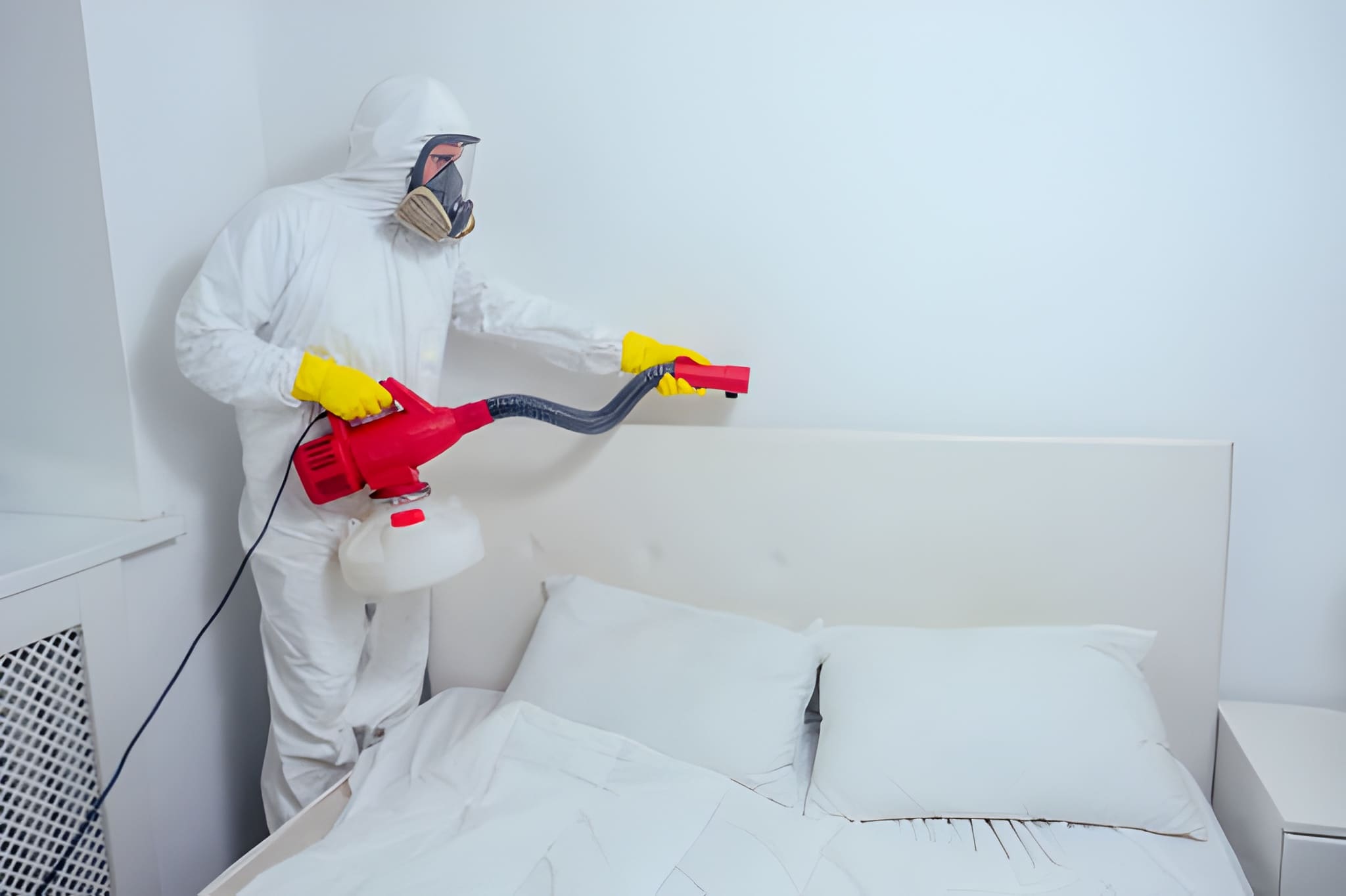
Exterior perimeter treatment: We apply residual insecticides around foundations, entry points, eaves, and outdoor light fixtures where spiders hunt. This creates a protective barrier preventing spiders from entering.
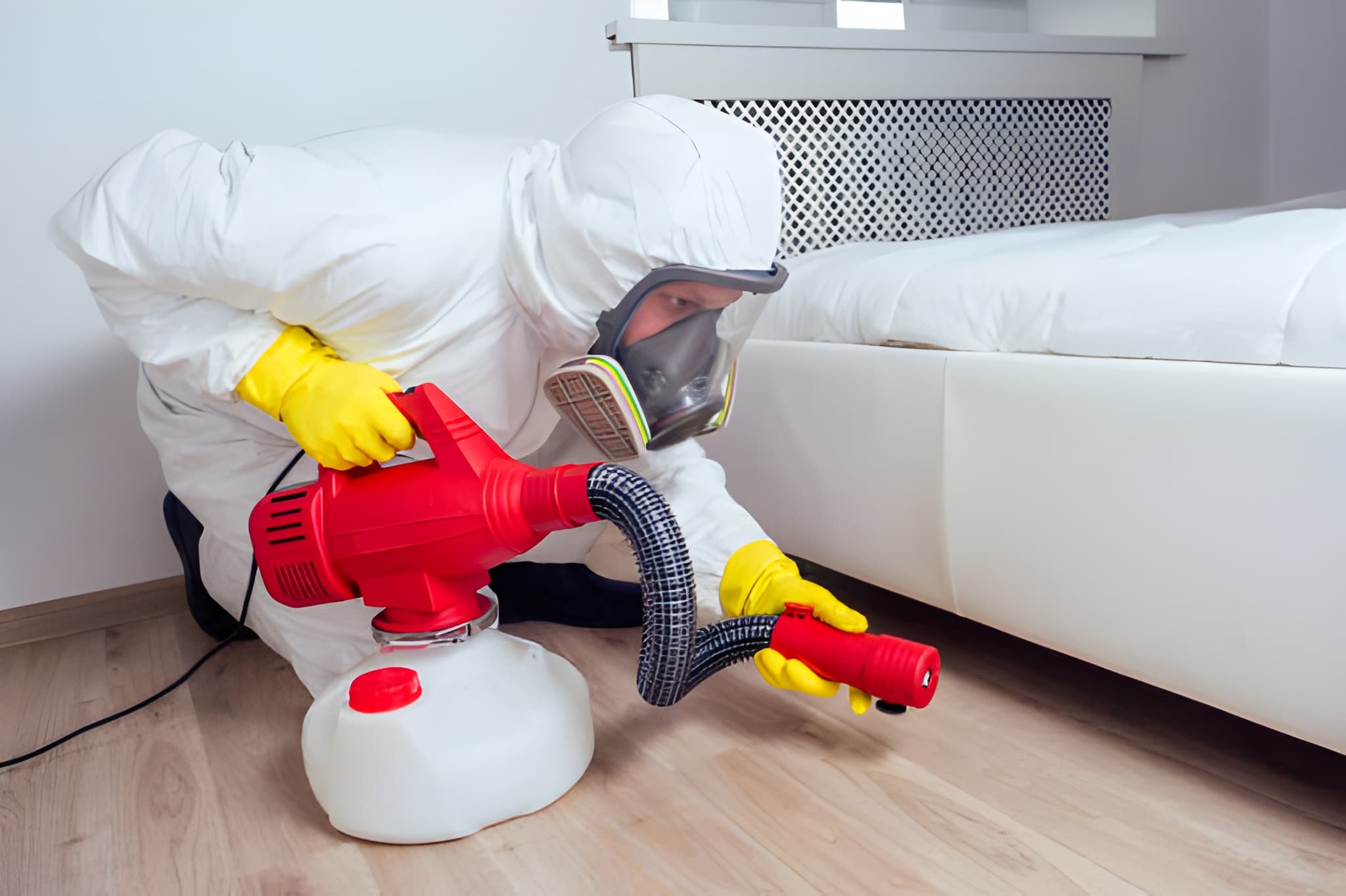
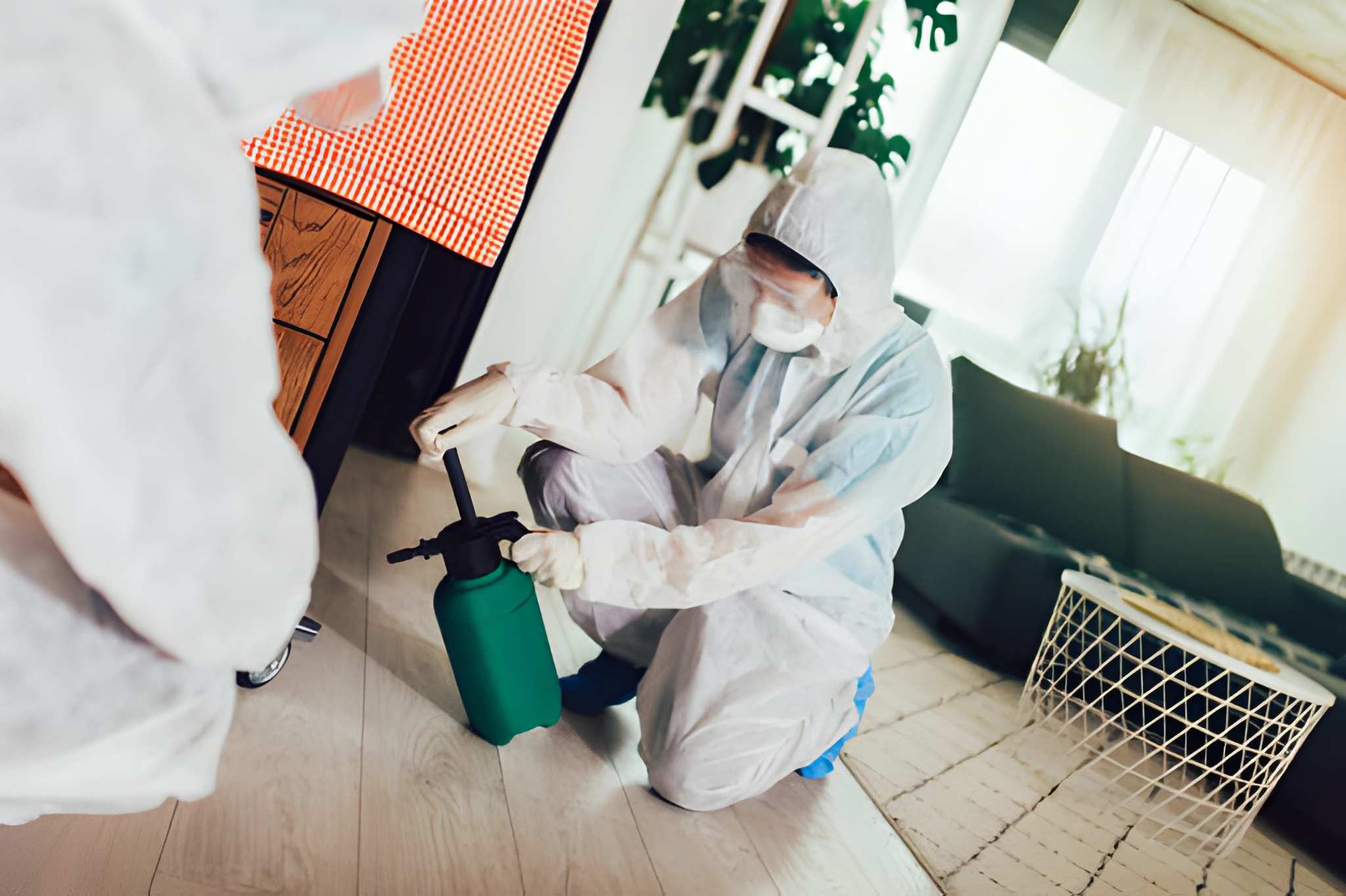
Interior treatment: Targeted application to baseboards, corners, closets, and other spider activity areas eliminates existing spiders.
Web removal: We remove webs, egg sacs, and debris during service.
Crack and crevice treatment: Dust formulations applied to wall voids, attics, and crawl spaces provide long-lasting protection in spider hiding spots.
Ongoing protection: Quarterly treatments maintain a spider-free environment year-round.
Insect control: Reducing prey insects eliminates the food source attracting spiders. Our integrated approach controls both spiders and their prey.
DIY Prevention Strategies
Reduce clutter: Spiders hide in boxes, piles of clothes, and stored items. Organize storage areas and minimize clutter in basements, garages, and closets.
Vacuum regularly: Remove spiders, webs, and egg sacs with vacuum cleaner. Dispose of vacuum bag or empty canister outside immediately.
Seal entry points: Caulk cracks in foundations and walls, install door sweeps, repair damaged screens, seal gaps around utilities, and fix torn weather stripping.
Outdoor maintenance: Keep vegetation trimmed away from house, remove woodpiles and debris near foundation, store firewood elevated and away from home, trim tree branches touching roofline, and eliminate outdoor clutter.
Reduce outdoor lighting: Insects attract to lights, and spiders follow. Use yellow bulbs or sodium vapor lights that attract fewer insects, turn off unnecessary outdoor lights, and keep curtains closed at night.
Remove food sources: Control other pests like flies, moths, and beetles that spiders feed on. Address moisture issues attracting insects.
When to Call Professional Pest Control
Contact us if you:
- See numerous spiders regularly
- Find dangerous species (brown recluse, black widow)
- Have extensive webbing throughout your home
- Experience recurring spider problems despite DIY efforts
- Want ongoing preventive protection
- Are uncomfortable handling spider control yourself
Benefits of Professional Spider Control
Expertise: Identify species correctly and apply appropriate treatments.
Safety: Use EPA-registered products safely and effectively.
Comprehensive approach: Address both spiders and their prey insects.
Long-lasting protection: Residual treatments provide months of control.
Peace of mind: Regular service keeps your home spider-free year-round.
Time savings: Professional service is more effective than ongoing DIY efforts.
Spider Control and Integrated Pest Management
Successful spider control targets the entire pest ecosystem. Our pest control Naperville approach includes:
- Controlling prey insects that attract spiders
- Eliminating harborage areas
- Sealing entry points
- Applying targeted treatments
- Providing ongoing monitoring
This comprehensive strategy provides better results than simply killing visible spiders.
Seasonal Spider Activity
Spring: Spiders emerge from overwintering sites and become active. Egg sacs from fall hatch, increasing populations.
Summer: Peak activity as spiders hunt actively. Abundant insects provide food sources.
Fall: Male spiders wander seeking mates, increasing indoor sightings. Spiders seek indoor overwintering sites.
Winter: Outdoor spiders die or enter diapause. Indoor spiders remain active in heated homes.
Quarterly pest control services address seasonal spider patterns, maintaining year-round protection.
What to Expect from Our Service
Initial inspection: Identify spider species, activity levels, and conducive conditions.
Customized treatment plan: Tailored to your specific spider problem and home layout.
Professional application: Licensed technicians apply treatments to interior and exterior areas.
Web removal: Clean visible webs and egg sacs.
Prevention recommendations: Advice on reducing future spider activity.
Follow-up service: Quarterly treatments for ongoing protection.
Get Spider-Free Today
Don’t tolerate spiders invading your Naperville home. Contact Pest Control Naperville for effective spider control solutions. Our experienced technicians provide safe, thorough treatments that eliminate spiders and prevent future infestations.
Call today or complete our online form for a free inspection and customized treatment plan. We offer same-day appointments and guarantee your satisfaction