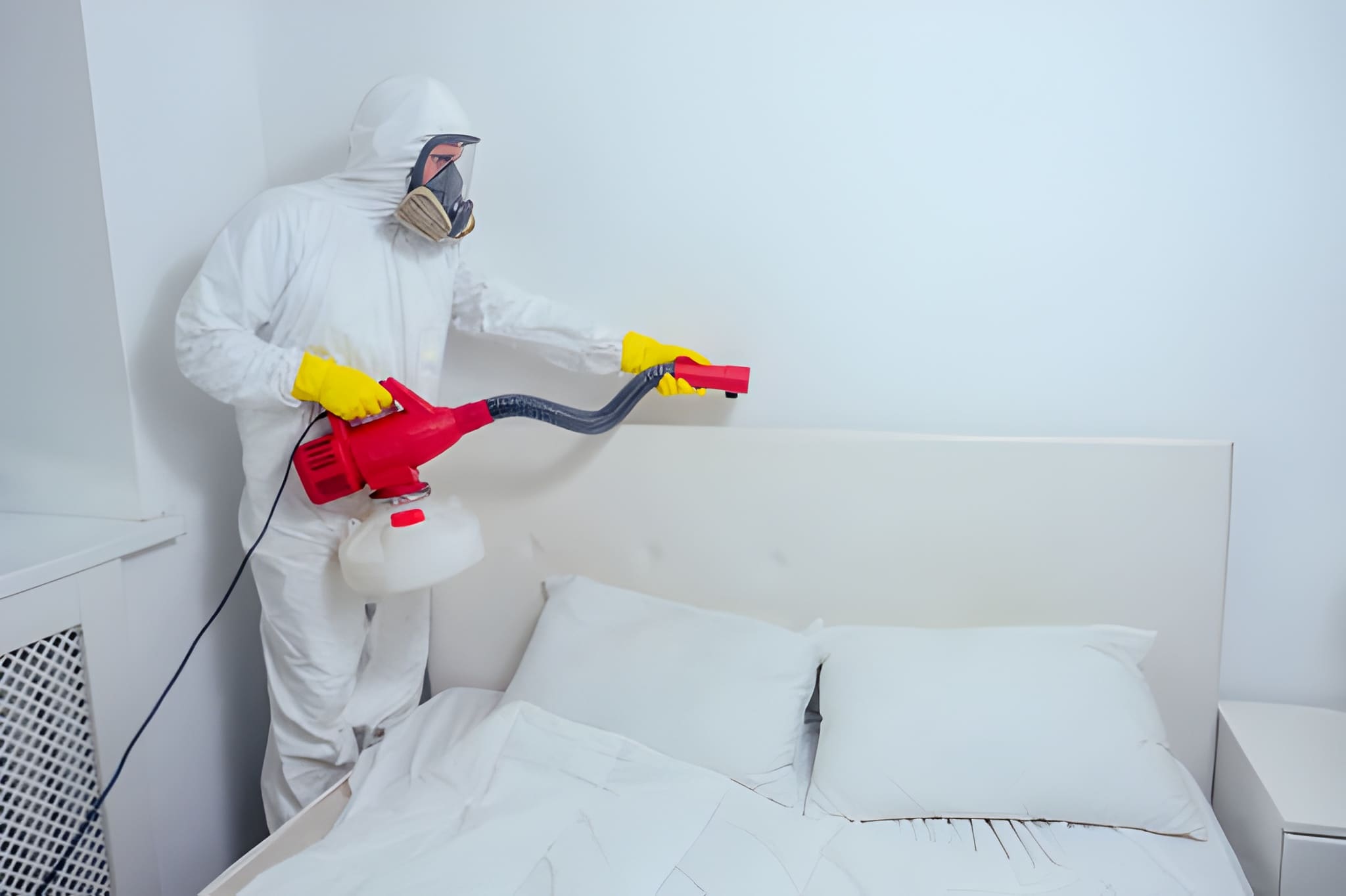
Termites are one of the most destructive pests homeowners can face. These tiny insects cost Americans billions of dollars in property damage each year, often going unnoticed until significant structural damage has already occurred. The key to protecting your home is knowing the early warning signs of termites and acting quickly when you spot them. In this comprehensive guide, we’ll walk you through everything you need to know about detecting termites before they cause major problems.
Understanding the Termite Threat
Before we dive into the warning signs, let’s understand why termites are such a serious concern and why effective Termite Control is so important. Termites feed on cellulose, which is found in wood, paper, and other plant-based materials. They work 24/7, and a single colony can contain hundreds of thousands of individuals. What’s particularly alarming is that termites can cause extensive damage before you even realise they’re there. Some homeowners don’t discover termites until they’re doing renovations or repairs and find hollow wood or mud tubes running along their foundation.
Many people only start looking into How Much Does a Termite Inspection Cost? after noticing damage, but early detection is vital. The average termite colony can consume about a pound of wood per year, though larger colonies can damage a home much faster. This is why catching them early is absolutely critical.
What Are the First Signs of Termites in Your Home?
1. Mud Tubes
One of the most telltale early warning signs of termites is the presence of mud tubes. Subterranean termites, the most common type in North America, build these protective tubes from soil, wood particles, and their saliva. These tubes look like small tunnels about the width of a pencil running along your foundation, walls, or wooden supports.
The purpose of these tubes is to provide a protected pathway from the soil to your home’s wood structure while maintaining the moisture these insects need to survive. If you spot mud tubes, it’s a strong indication that termites are active in your home or very close by.
Check your basement, crawl space, and the exterior foundation regularly for these tubes. Even if a tube appears abandoned (no termites inside), it’s still a warning sign that termites have been or could be present.
2. Wood Damage and Hollow Sounds
When termites eat wood from the inside out, they often leave a thin shell of wood on the surface. If you tap on wooden structures in your home and hear a hollow sound, this could indicate termite damage. Press on wooden surfaces with a screwdriver or pointed object. If it penetrates easily into wood that should be solid, termites may be responsible.
Wood damage from termites often appears as blistering, peeling paint, or sagging structures. In advanced cases, you might notice that floorboards or wooden beams have become soft, weakened, or warped. This damage typically appears in a grain-like pattern inside the wood.
3. Discarded Wings
After termites establish a colony, they send out swarmers—winged termites that fly away to start new colonies. When these swarmers find a suitable location, they shed their wings. Finding piles of discarded wings around windowsills, on floors, or near light sources is a significant warning sign.
This typically happens during spring months when termites are most active, though it can occur year-round in warmer climates. The presence of wings suggests that termites are actively reproducing and establishing new colonies.
4. Termite Droppings (Frass)
Termite feces, known as frass, look like small pellets of sawdust. Drywood termites, in particular, push their feces out of galleries where they’re living, so you might find small piles of this material below wooden structures or in your attic.
Finding frass is one of the first signs of termites in your home and shouldn’t be ignored. The pellets are typically uniform in shape and color, ranging from cream to light brown.
5. Presence of Termite Swarmers
Seeing actual termites in your home is obviously a red flag. Swarmers are the winged reproductive termites that appear when a colony is expanding. They’re attracted to light, so you might spot them around lamps, windows, or light fixtures.
If you see termites flying or crawling around your home, especially in large numbers, you definitely need to call a pest control professional immediately. This indicates an active and mature colony.
6. Water Damage and Moisture Issues
While water damage itself isn’t a termite, excessive moisture attracts termites. If you notice signs of water damage, rotting wood, or areas of high humidity in your home, you’re creating ideal conditions for termite infestation.
Subterranean termites need moisture to survive, so areas near leaking pipes, poor drainage systems, or damaged roof shingles are particularly vulnerable to termite colonization.
7. Cracked or Bubbling Paint
When termites tunnel beneath wooden surfaces, they can cause paint to bubble, crack, or peel. This happens because the wood underneath is being damaged and shifting. While this could also indicate other issues like water damage or poor paint application, it’s worth investigating.
When to Worry About Termites in a House
You should be concerned about termites in your house if you notice any of the warning signs mentioned above. However, certain situations warrant immediate professional attention:
Immediate action needed: If you see active swarmers, find mud tubes, or discover significant wood damage, call a pest control professional right away. Don’t wait. Every day you delay could mean more damage and a larger repair bill.
Professional inspection recommended: If you live in a termite-prone area (which includes most of the United States), it’s wise to have a professional termite inspection at least once per year, even if you haven’t noticed any signs. Early detection is always cheaper than dealing with advanced infestations.
High-risk situations: You should be extra vigilant if your home has a history of termite problems, if you have significant wood-to-soil contact around your foundation, if you’re in a humid climate, or if nearby properties have had termite issues.
What Does a Termite Inspection Include?
A professional termite inspection is thorough and comprehensive. Here’s what you can expect:
Visual Inspection
A qualified pest control professional will visually inspect your entire home, both inside and out. This includes checking your foundation, basement, crawl space, attic, and all visible wooden structures. They’ll look for mud tubes, wood damage, droppings, and other signs of termite activity.
Moisture Assessment
Since moisture is critical to termite survival, inspectors will check for any moisture issues in your home. This includes evaluating drainage around your foundation, looking for roof leaks, checking for plumbing leaks, and assessing humidity levels in vulnerable areas.
Wood-to-Soil Contact Evaluation
Termites easily travel from soil to wood, so inspectors will identify any areas where wood is in direct contact with soil or where the gap is too small to provide adequate access for inspection. These are high-risk areas that may need attention.
Inspection of Potential Entry Points
Inspectors will check for gaps in your foundation, cracks in walls, and other potential entry points where termites could access your home.
Moisture Meter Testing
Many professionals use moisture meters to detect moisture levels in wood and other materials. Higher moisture levels indicate better conditions for termites and potential existing damage.
Documentation and Report
A professional inspection concludes with a detailed report outlining findings, observations, recommendations, and any treatment needed. This documentation is valuable for your records and for insurance purposes.
Prevention: Your First Line of Defense
While knowing the early warning signs of termites is important, prevention is even better. Here are steps you can take to make your home less attractive to termites:
Maintain proper drainage around your foundation to keep soil dry. Fix any water leaks in your roof, pipes, or foundation promptly. Remove wood debris, dead tree stumps, and fallen branches from your yard. Ensure there’s at least 18 inches of clearance between your home’s siding and the soil. Keep mulch away from wooden structures. Consider using concrete barriers or metal flashing where wood meets soil.
When to Call the Professionals
If you notice any early warning signs of termites, don’t try to handle it yourself. Termite treatment requires professional expertise, specialized equipment, and access to treatment products that aren’t available to consumers.
A professional pest control company can properly identify the type of termite, assess the extent of the infestation, and recommend the most effective treatment plan. They may use liquid barriers, bait systems, or a combination approach depending on your specific situation.
Conclusion
The early warning signs of termites should never be ignored. Mud tubes, discarded wings, frass, wood damage, and active swarmers are all indicators that you need immediate professional attention. Regular inspections, even in the absence of obvious signs, are your best defense against costly termite damage.
Don’t wait until termites have caused thousands of dollars in damage to take action. If you suspect termites in your home, call a licensed pest control professional today. Your home is likely your largest investment—protect it from these destructive pests before it’s too late.
Protect your Naperville home today. Contact Pest Control Naperville for a free termite inspection and customized treatment plan. Call 630 864 5173 or submit our quick form for same-day appointments.
FAQs
1. What are the early warning signs of termites in a home?
Early warning signs of termites include hollow-sounding wood, mud tubes along walls or foundations, discarded wings near windows or doors, and unexplained wood damage. Spotting these signs early can prevent serious structural damage.
2. How can I detect termites before they cause major damage?
Regular inspections, looking for mud tubes, small piles of sawdust, or clicking sounds in walls can help detect termites early. Professional termite inspections are recommended for thorough detection.
3. Are termites active all year round?
Yes, termites can be active year-round, but their activity often increases during warm and humid months. Early detection is crucial to prevent infestations.
4. Can I spot termites without hiring a professional?
While homeowners can notice some signs like mud tubes or winged termites, professional inspections are more reliable since termites can remain hidden inside walls or under floors.
5. How often should I check for termite signs?
It’s recommended to check your property for termite activity at least once every 12 months and after major weather events that may disturb their habitat.