Learn the common signs of ant infestation in your home. This guide explains key Signs of Ant Infestation, how to spot early warning signs, and ways to prevent ant problems before they spread.
Common Ant Species in Naperville
Odorous House Ants (Most Common)
These tiny dark brown to black ants are named for the rotten coconut smell they emit when crushed. They form large colonies with multiple queens and create persistent trails to food sources in your kitchen.
Odorous house ants prefer sweets but eat almost anything. They nest in wall voids, under floors, and around plumbing. Rain and temperature extremes drive them indoors, making them especially problematic during Naperville’s humid summers.
Carpenter Ants (Most Destructive)
The largest ants in our area (1/4-1/2 inch), carpenter ants excavate wood to create nests, causing structural damage similar to termites. They prefer moist, decaying wood but expand into sound wood over time.
Look for sawdust-like frass (wood shavings) under damaged wood. Carpenter ants are most active at night and swarm in spring. Left untreated, they can cause thousands in structural damage to Naperville homes.
Pavement Ants
Common around driveways and sidewalks, these dark brown ants create small dirt mounds in pavement cracks. They nest under concrete slabs and foundations, invading homes through cracks seeking food.
Pharaoh Ants
Very small (1/16 inch) light yellow ants that thrive in apartment buildings. They nest in warm, hidden areas and follow electrical wiring and plumbing. Pharaoh ants are particularly challenging because colonies “bud” when threatened—one colony becomes many.
Why Ants Invade Your Naperville Home
Food sources: Crumbs, spills, pet food, and garbage attract foraging ants. Even tiny food particles are sufficient to establish ant trails.
Water: Leaking pipes, standing water, and moisture attract ants, especially during dry summer months.
Weather: Heavy rains flood outdoor nests, driving ants inside. Hot, dry conditions also push ants indoors seeking water.
Shelter: Ants seek indoor overwintering sites in fall and establish nests in wall voids, insulation, and other protected areas.
Entry points: Ants enter through tiny cracks in foundations, gaps around doors and windows, utility penetrations, and damaged weather stripping.
Signs of Ant Infestation
Visible ant trails: Lines of ants traveling to and from food sources, especially in kitchens and bathrooms.
Swarmer ants: Winged reproductive ants near windows in spring indicate a mature colony nearby.
Frass (carpenter ants): Sawdust-like piles containing wood shavings and ant body parts signal active carpenter ant nesting.
Hollow wood sounds: Tap wooden structures—hollow sounds indicate carpenter ant galleries.
Nests: Outdoor nests appear as small dirt mounds in lawns, under pavers, in mulch beds, or around tree stumps.
Effective Ant Treatment Methods
Baiting (Most Effective)
Professional ant baits contain slow-acting insecticides that foraging ants carry back to the colony, eliminating the queen and entire nest. This is the only way to achieve long-term control.
Different ant species prefer different baits (sweet, protein, or grease-based). Our pest control Naperville technicians identify your ant species and use targeted baits for maximum effectiveness.
Perimeter Treatment
Liquid insecticide barriers around your home’s exterior prevent ants from entering. We treat foundations, entry points, and common ant pathways, creating a protective zone.
Interior Treatment
For active indoor infestations, we apply targeted treatments to baseboards, under sinks, around plumbing, and other ant activity areas while using family-safe products.
Nest Elimination (Carpenter Ants)
Carpenter ant treatment requires locating and treating the nest directly. We use specialized tools to find nests in walls, then apply dust or foam formulations that eliminate the colony.
Why DIY Ant Control Fails
Over-the-counter sprays only kill visible ants—they don’t eliminate the colony. Worse, repellent sprays scatter ant colonies, making the problem harder to solve.
Successful ant control requires:
- Proper species identification
- Appropriate bait or treatment selection
- Locating and eliminating nests
- Treating entry points
- Addressing conducive conditions
Professional pest control Naperville services ensure complete elimination using proven methods unavailable to homeowners.
Prevention Tips for Naperville Homes
Eliminate food sources: Clean up spills immediately, store food in sealed containers, take out garbage regularly, clean under appliances, and don’t leave pet food out overnight.
Remove water sources: Fix leaking pipes, eliminate standing water, clean gutters, and use dehumidifiers in damp basements.
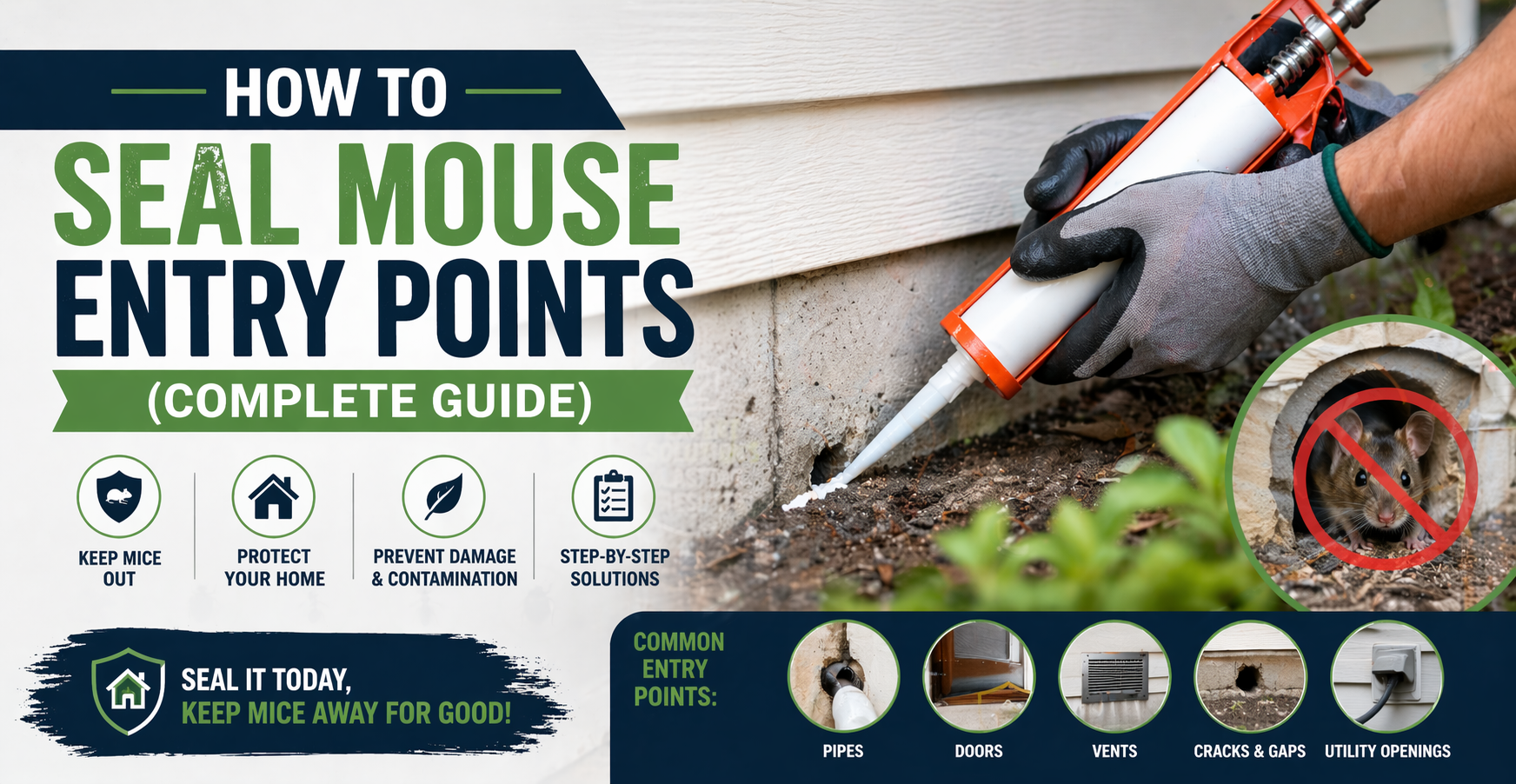
Seal entry points: Caulk cracks in foundations and walls, install door sweeps, repair damaged screens, and seal gaps around utilities.
Landscape maintenance: Keep mulch away from foundation, trim tree branches from house, remove decaying wood and stumps, and store firewood away from home.
Regular cleaning: Vacuum regularly, wipe down counters daily, clean behind appliances, and maintain cleanliness in kitchens and bathrooms.
Professional Ant Control Services
Our experienced technicians provide:
- Free inspections and species identification
- Customized treatment plans
- Safe, effective products
- Interior and exterior treatment
- Follow-up visits if needed
- Prevention recommendations
- Satisfaction guarantee
We’ve successfully eliminated ant infestations in hundreds of Naperville homes since 2010, using integrated pest management approaches tailored to your specific situation.
Get Ant-Free Today
Don’t let ants take over your Naperville home. Contact Pest Control Naperville for fast, effective ant elimination. We offer same-day appointments and provide long-lasting solutions that address the root cause of your ant problem.
Call Us on 630 864 5173 for a free inspection and customized treatment plan. Our licensed technicians will identify your ant species, locate nests, and implement proven strategies to eliminate ants and prevent future invasions.